
An answer that depends on the project, not a single number
For most single-family homes and bungalows in Montreal, a complete replacement takes 1 to 2 business days. But that average hides a more nuanced reality: some projects take considerably longer depending on size, complexity and what is found along the way.
What affects how long the job runs
- •The total surface area of the roof — a bigger roof takes longer to lay
- •The complexity of the structure (hips, dormers, multiple valleys)
- •How many layers of shingles have to come off before installation
- •The condition of the deck under the old covering — replacing sections adds time
- •Site access (narrow lane, shared roof, height)
- •The weather — rain or high wind can delay or interrupt work
- •The size of the crew assigned to the project
What a typical day looks like
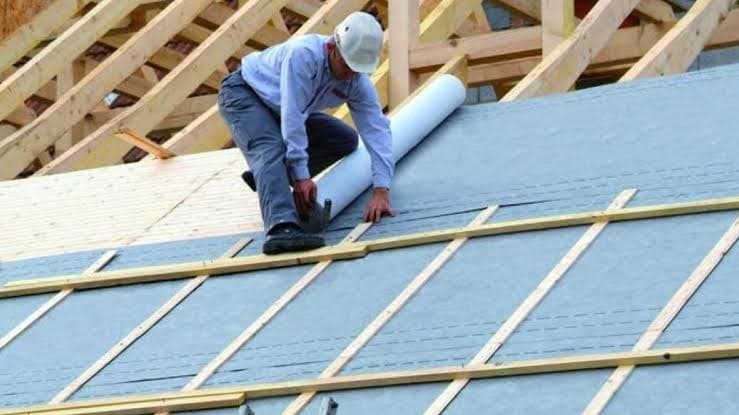
On a standard project, the first part of the day goes to tearing off the old covering and inspecting the exposed deck, followed by laying the underlayment and drip edge. The afternoon generally sees the shingles progress, with the aim of ending each day with a watertight roof even when the project runs across several days.
For a more complex project spanning two days or more, the first day usually covers the full tear-off and a good share of the new installation, with the second day given over to finishing the details — flashing, vents, chimney caps — and a complete site cleanup.
A larger or more complex project: how many days?
A home with a large roof area, several slopes, or a flat roof in elastomeric membrane can run three to five business days, particularly if the project includes replacing deck sections discovered mid-job. That timeline is always communicated before work starts, with margin for normal contingencies like weather.
Need a hand with your own roofing project?
Why your roof stays protected on a multi-day project
A serious crew makes sure the roof is watertight at the end of each working day, whatever the total length of the project. That means an open section is never left exposed to rain overnight — a standard worth confirming with any contractor before signing a quote.
When weather slows the job
Rain generally makes it unsafe to work and delays the installation, while high wind can make certain stages riskier, particularly handling large sections of material. A weather delay is not a sign of poor planning — it is a normal precaution that protects both the crew and the quality of the finished work.
The short version
A standard bungalow is generally replaced in 1 to 2 days, but surface area, complexity and weather can extend that. Your roof stays watertight at the end of each day, whatever the total length of the job.